
Blog
Understanding Hybrid Solar Systems for Homes: A Guide to Battery Storage Solutions


Understanding Home Hybrid Solar & Battery Storage Solution
If you’re interested in sustainable living, you may have heard of the term “hybrid solar system.” This system is an excellent alternative to traditional solar on-grid systems.
How It Works
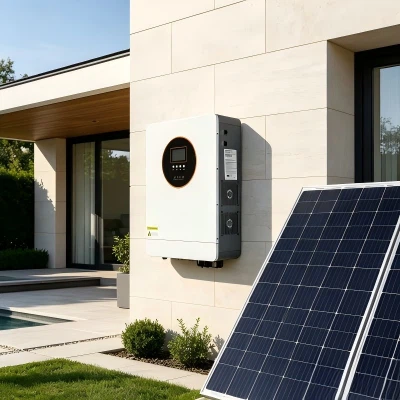
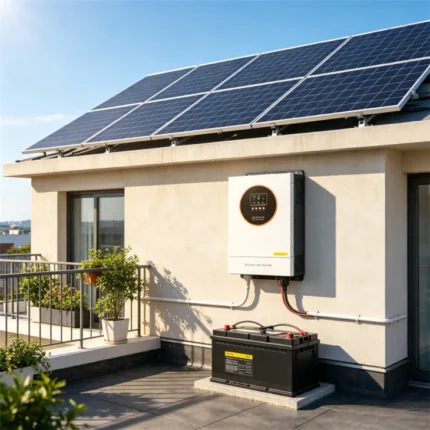
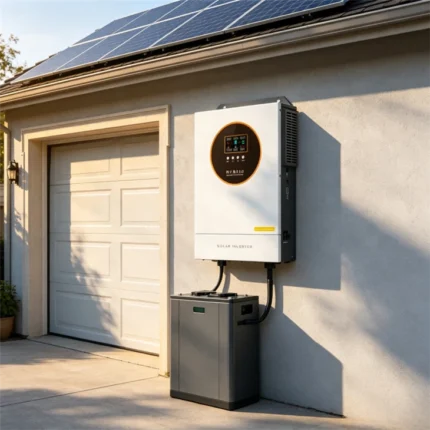
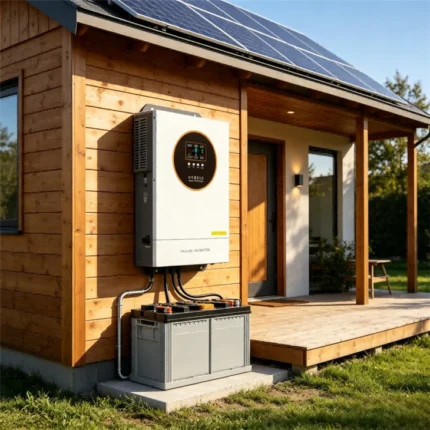
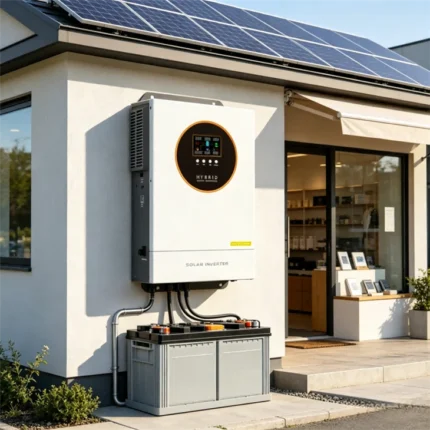
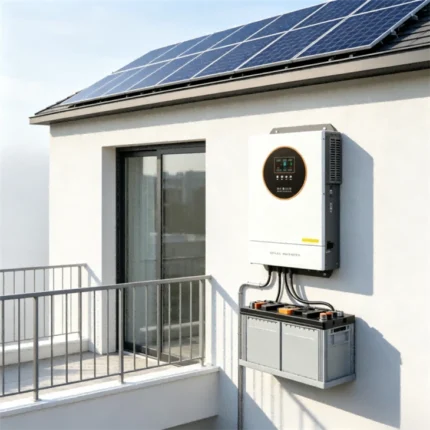
A hybrid solar system consists of several components, including PV panels, hybrid inverters, lithium storage batteries( BMS), and metering systems. In this system, a battery is connected to the hybrid solar system.

The logic of the hybrid solar system is straightforward. During the day, when solar power starts to generate electricity, solar generation takes priority to the residential consumption load. When the solar-generated power is greater than the home consumption power, the hybrid inverter starts charging the battery until the battery is full.
Meanwhile, when the solar-generated power is less than the residential load power, the battery starts to discharge and works with solar to fulfill the consumption load. In the evening, when there is no solar, the battery discharges to follow home demand until the battery is fully discharged.
-
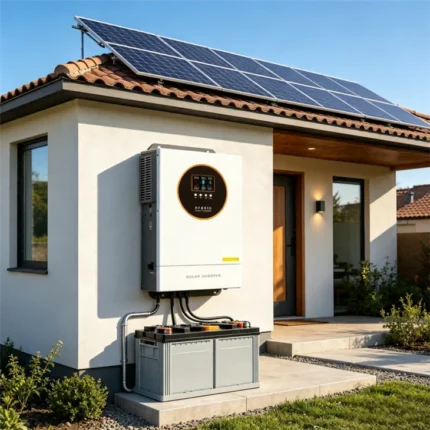
 6200W Pure Sine Wave Hybrid Inverter for Sloped-Roof Cottages 50/60Hz
-
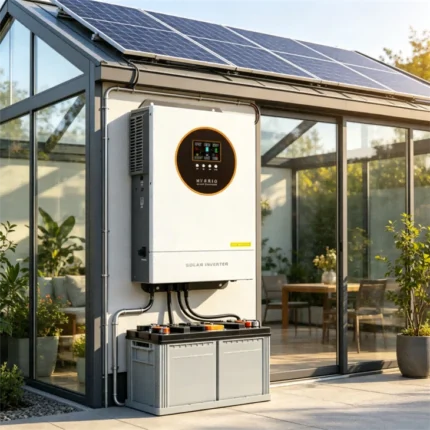
8400W Solar Hybrid Inverter for Sunroom Skylight PV 50/60Hz
-
 2600W Single-Phase Hybrid Inverter for Balcony Solar 50/60Hz
-
2600W Off-Grid High-Frequency Hybrid Inverter, Balcony 50/60Hz
-
4200W Single-Phase Hybrid Inverter for Roof Terraces 50/60Hz
-
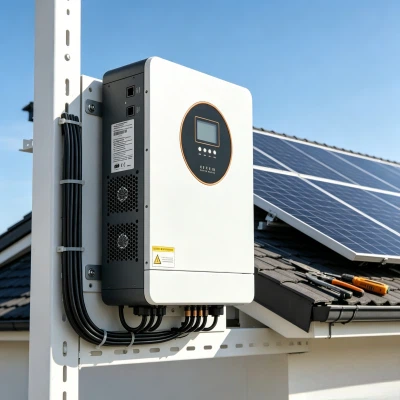
10200W Garage Wall All-in-One Solar Storage Inverter 50/60Hz
-
6200W Hybrid Solar Inverter for Wooden Cabin Homestays 50/60Hz
-
4200W WiFi-Monitoring Hybrid Inverter for Street Shops 50/60Hz
-
7200W Side-Hung Battery Balcony Solar Storage Inverter 50/60Hz
Advantages of a Hybrid Solar System
The primary advantage of the hybrid solar system is that the battery can store surplus solar generation for self-consumption. With this system, we can achieve peak shifting. For instance, in the red zone when the electricity price is expensive from 6 PM to 8 PM, we can set the battery to charge from solar or at the moment when the electricity price is cheap.
Additionally, we can discharge the battery only in the red zone from 6 PM to 8 PM. This is how we save electricity bills from a hybrid solar system.

Metering and Monitoring
One CT or meter is always installed on the on-grid side and communicated with the hybrid inverter. This is how we measure the real-time load consumption. With this method, we can set zero export to grid availability to achieve the maximization of self-consumption.
Furthermore, we have generation, grid import and export, and battery information. All this information can be sent to the cloud server by a 4G or WIFI dongle. With this data, we can display and analyze the daily, monthly, or yearly data from the web.
Overall, a home hybrid solar system is an excellent investment if you’re looking to reduce your electricity bills and live more sustainably.
Top Hybrid Inverter Brands and Models for Solar Battery Systems
If you’re looking to install a hybrid solar system with a battery storage solution, it’s important to choose the right inverter to ensure optimal performance and efficiency. Here are some of the top hybrid inverter brands and series numbers to consider:
- Fronius Symo Hybrid 3.0-3-S, 4.0-3-S, 5.0-3-S
- SolarEdge StorEdge series
- Sungrow SH5K-30
- Solax X1 Hybrid G4, X1 Hybrid HV
- Q Cells Q.Home ESS HYB-G2
- Goodwe ET series, BT series, EH series, BH series, ESA series, ES series
- Delta Hybrid ES
- Solis RHI-K-48ES
- Growatt SPH Series
- Deye SUN-3.6/5K-SG01, SUN-8K-SG01LP1-EU, SUN-6/8/10/12K-SG01LP3
- Luxpower LXP hybrid 3-6K, LXP hybrid 8-12K, LXP hybrid 4-6HB, ECO hybrid SNA 3-5K
- Afore hybrid storage inverter, AF series, HNS storage series
By choosing from these reputable brands and models, you can ensure your hybrid solar system with battery storage will work efficiently and effectively to meet your energy needs.